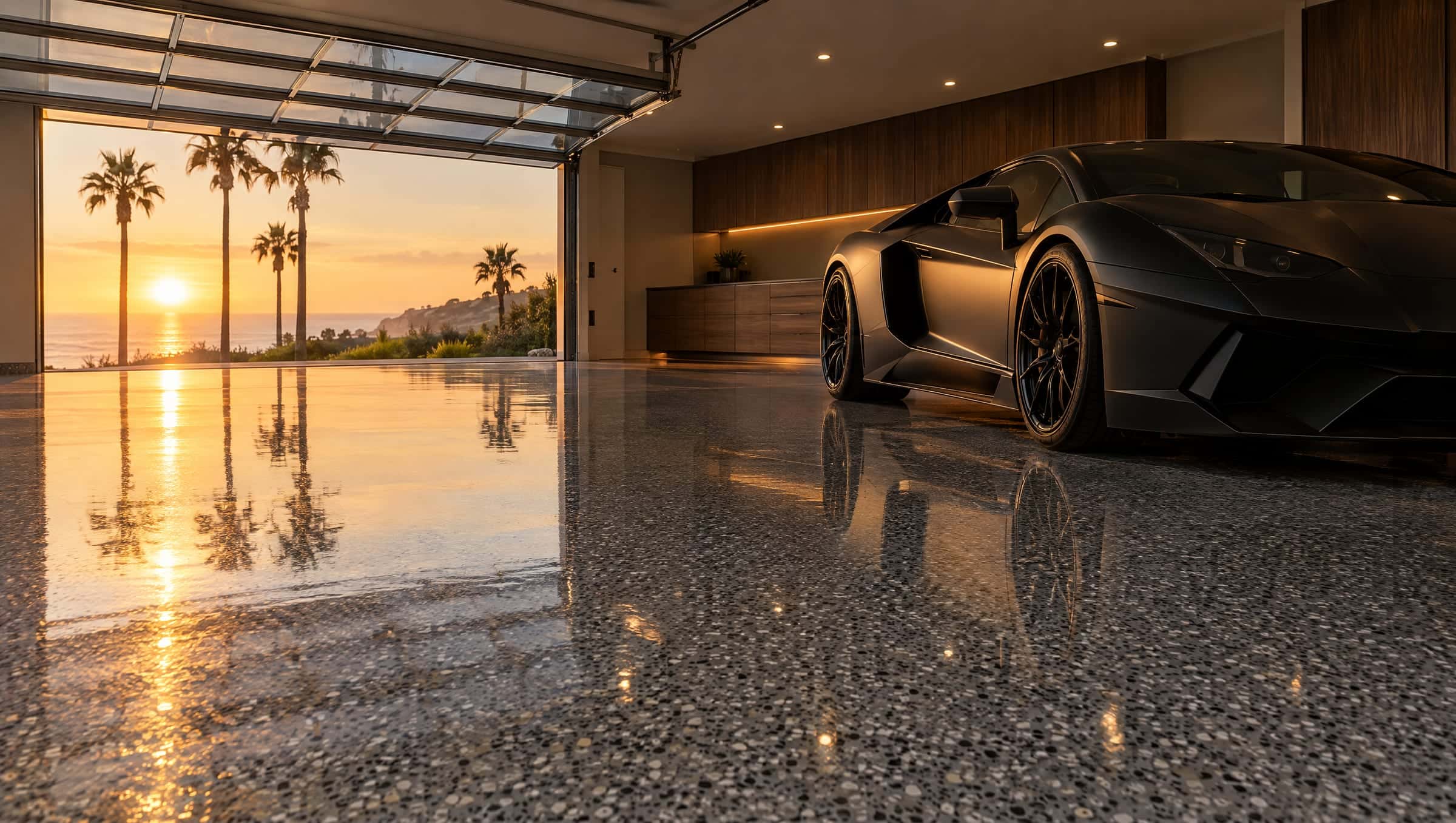
Premium Epoxy Flooring in San Diego
Epoxy flooring for San Diego homes and businesses, installed over diamond-ground, moisture-tested concrete and finished with UV-stable topcoats built for coastal sun and salt air.
- Free on-site estimateMoisture test included
- Diamond-ground prepBonds into the slab
- UV-stable topcoatsBuilt for coastal sun
- Carlsbad to CoronadoService area
Epoxy flooring in San Diego, matched to the floor
We install eight systems, and each one solves a different problem. Flake and polyaspartic coatings suit garages that see sun, hot tires and dropped tools. Metallic epoxy suits interiors that should look one of a kind. Polishing and resurfacing make sense when the concrete itself should be the finish. Commercial systems handle kitchens, shops and warehouses. Start with the floor you have, and we will recommend the system that fits it.
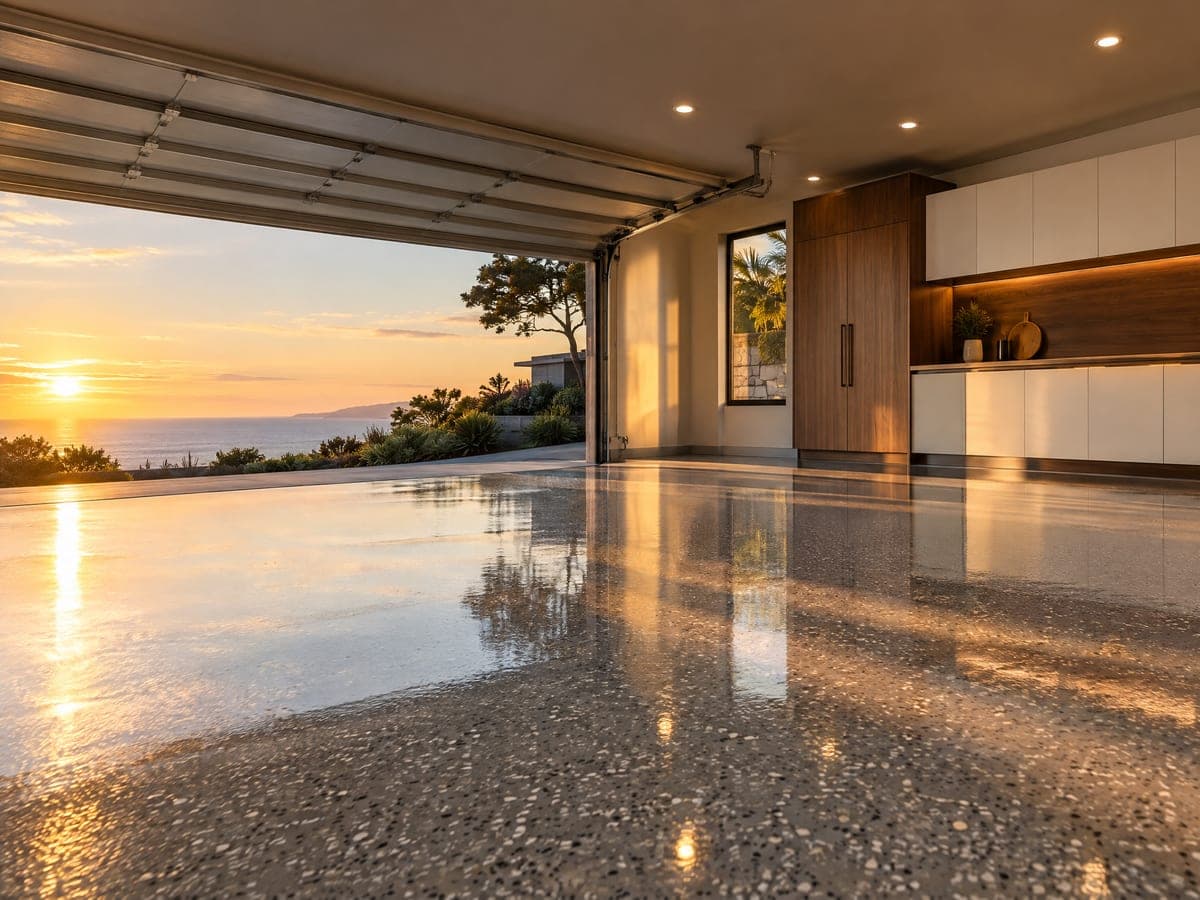
Garage Floor Epoxy
Diamond-ground, multi-layer garage floor systems with flake or metallic finishes and a UV-stable topcoat, built for coastal sun, salt air, and hot tires.
Learn more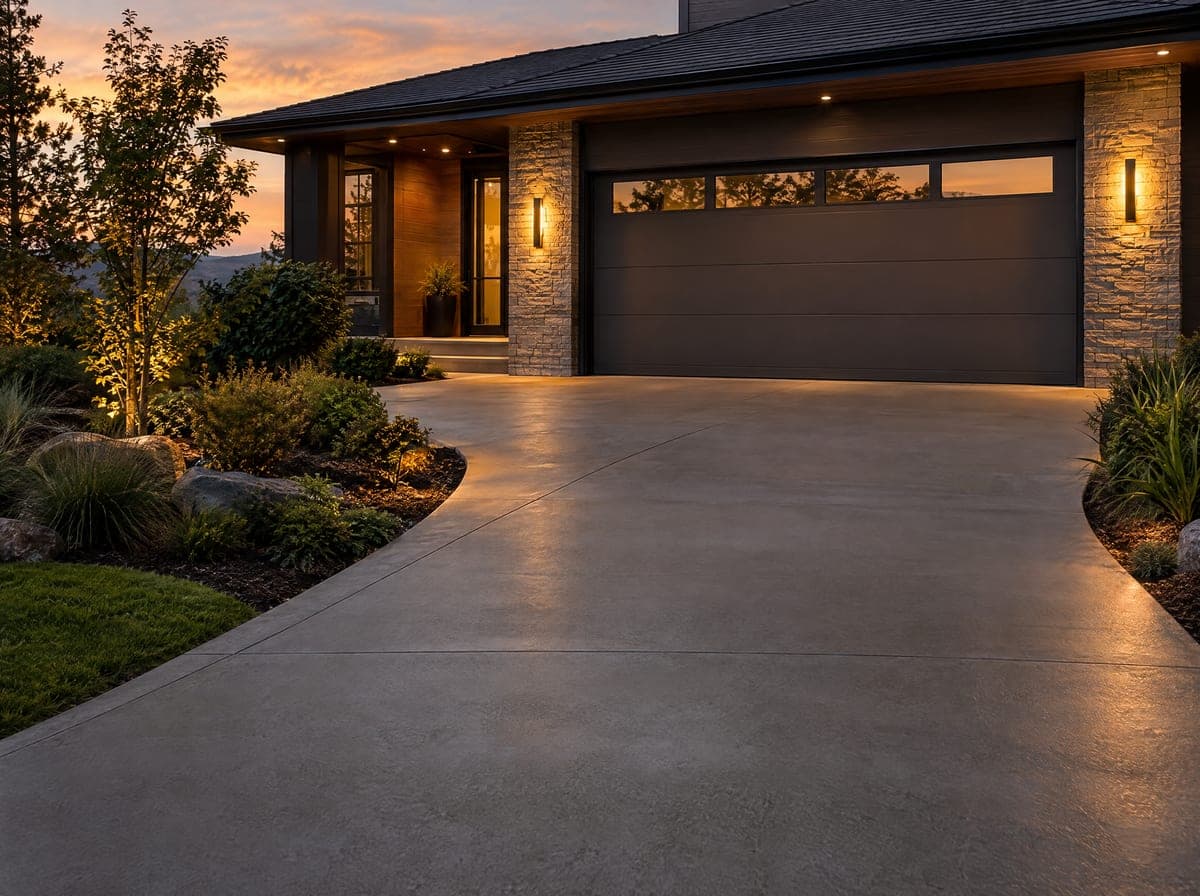
Concrete Resurfacing
Bonded cement overlays, knockdown textures, and sealers that renew sound but worn patios, driveways, walkways, and garage slabs without tear-out.
Learn more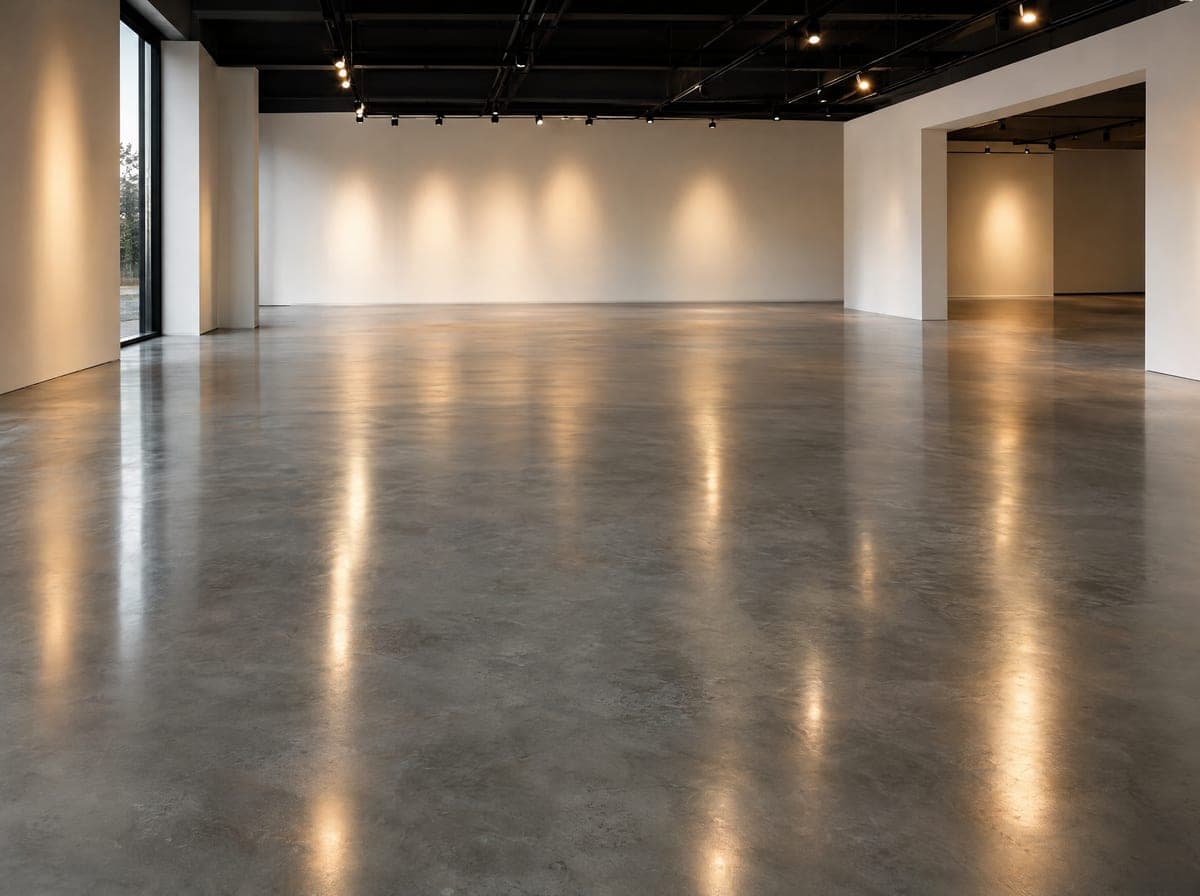
Concrete Polishing
Diamond-ground, densified, and guarded concrete floors from matte to high gloss for modern homes, ADUs, garages, showrooms, retail, and warehouses.
Learn more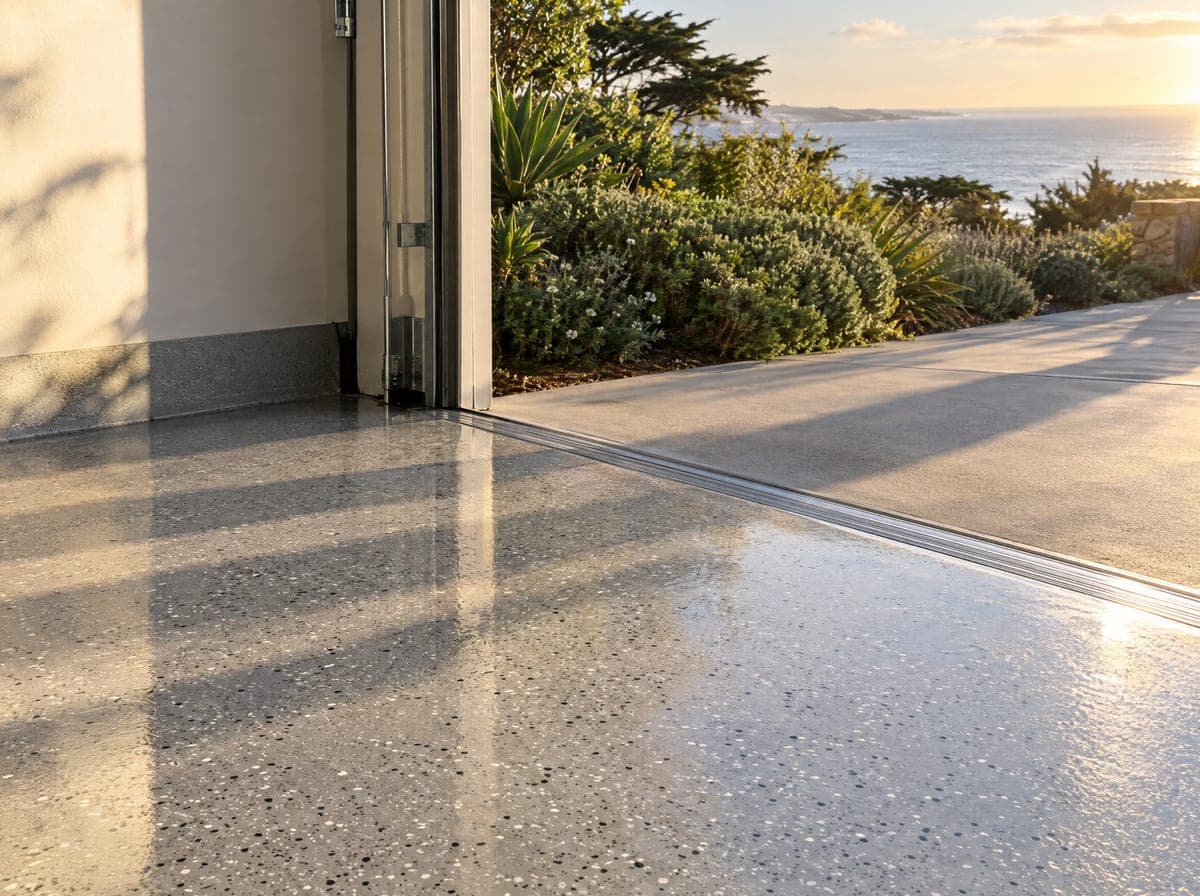
Polyaspartic Coatings
UV-stable, fast-curing polyaspartic topcoats and full systems that hold their color in open, sunlit garages and return to service in a day or two.
Learn more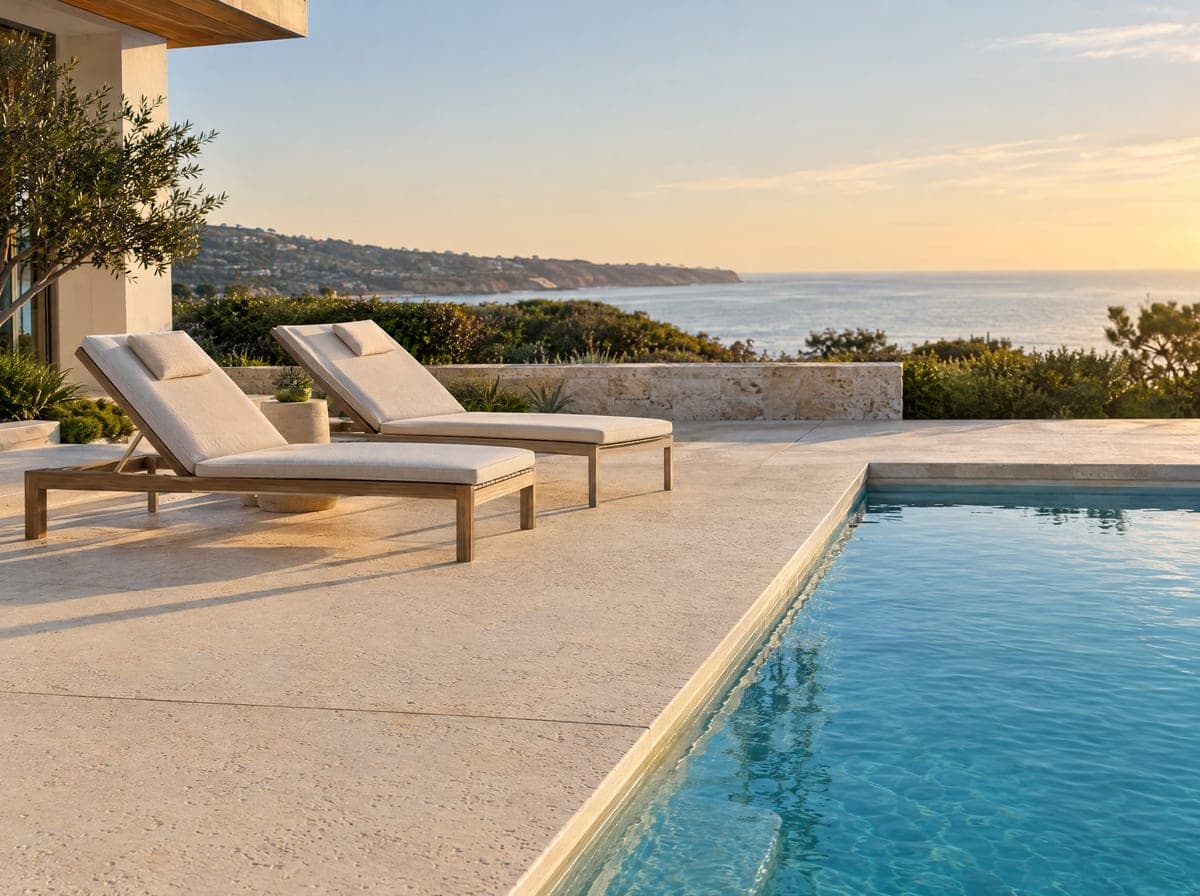
Pool Deck Resurfacing
Textured, light-toned pool deck coatings that add grip, stay more comfortable underfoot, and resist sun, salt, and pool chemicals without tearing out the slab.
Learn more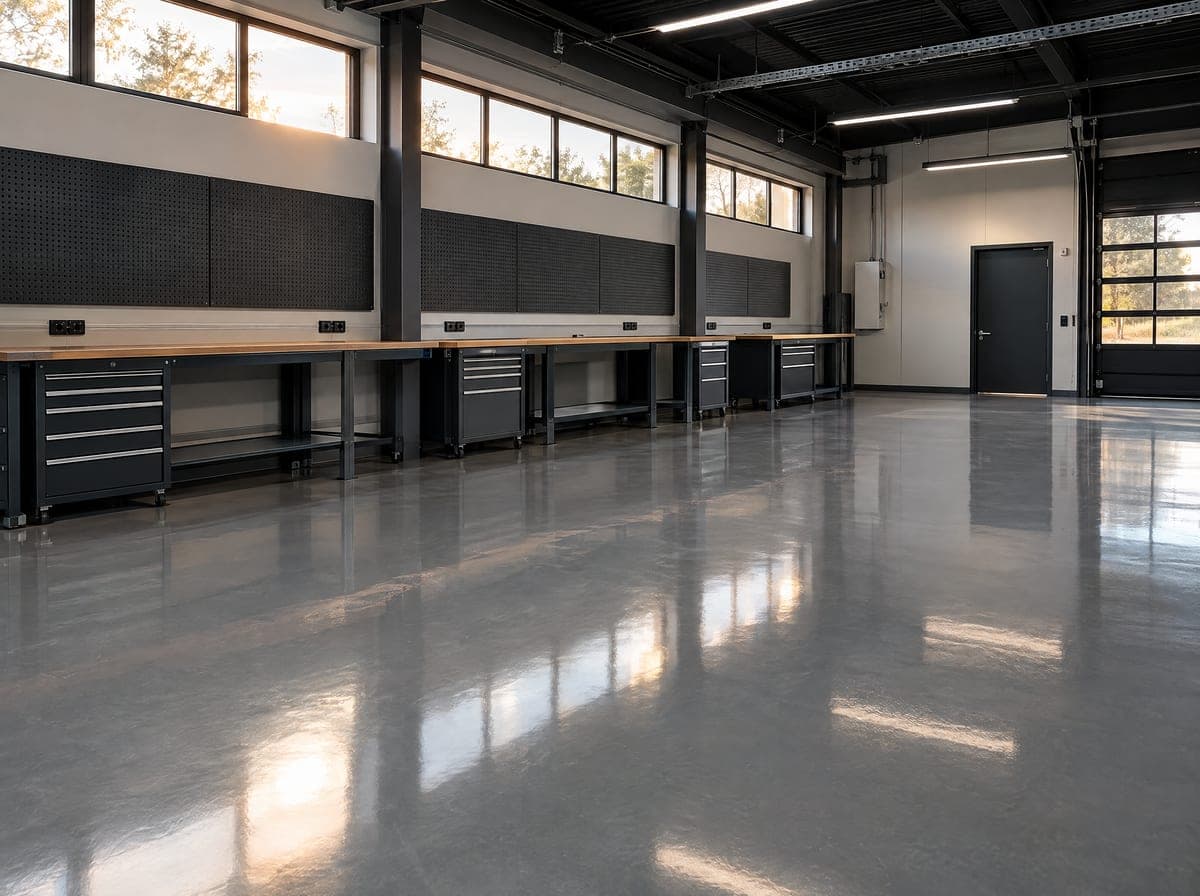
Commercial Epoxy Flooring
Epoxy, quartz, and urethane cement floor systems for warehouses, showrooms, retail, kitchens, breweries, and labs, chosen for traffic, chemicals, and cleaning.
Learn more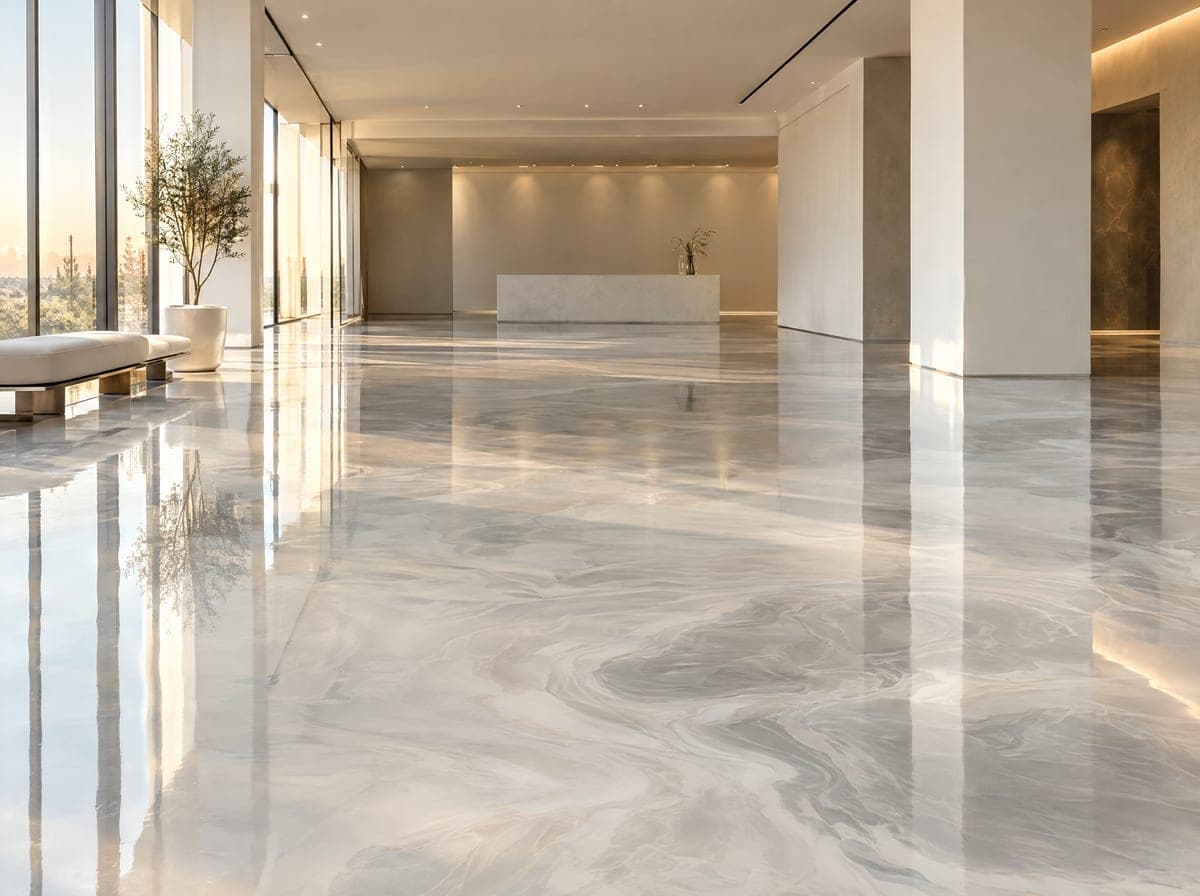
Metallic Epoxy Floors
Hand-worked metallic epoxy with pearlescent depth and movement, sealed under a clear topcoat. A one-of-a-kind floor for interiors, showrooms, studios, and showcase garages.
Learn more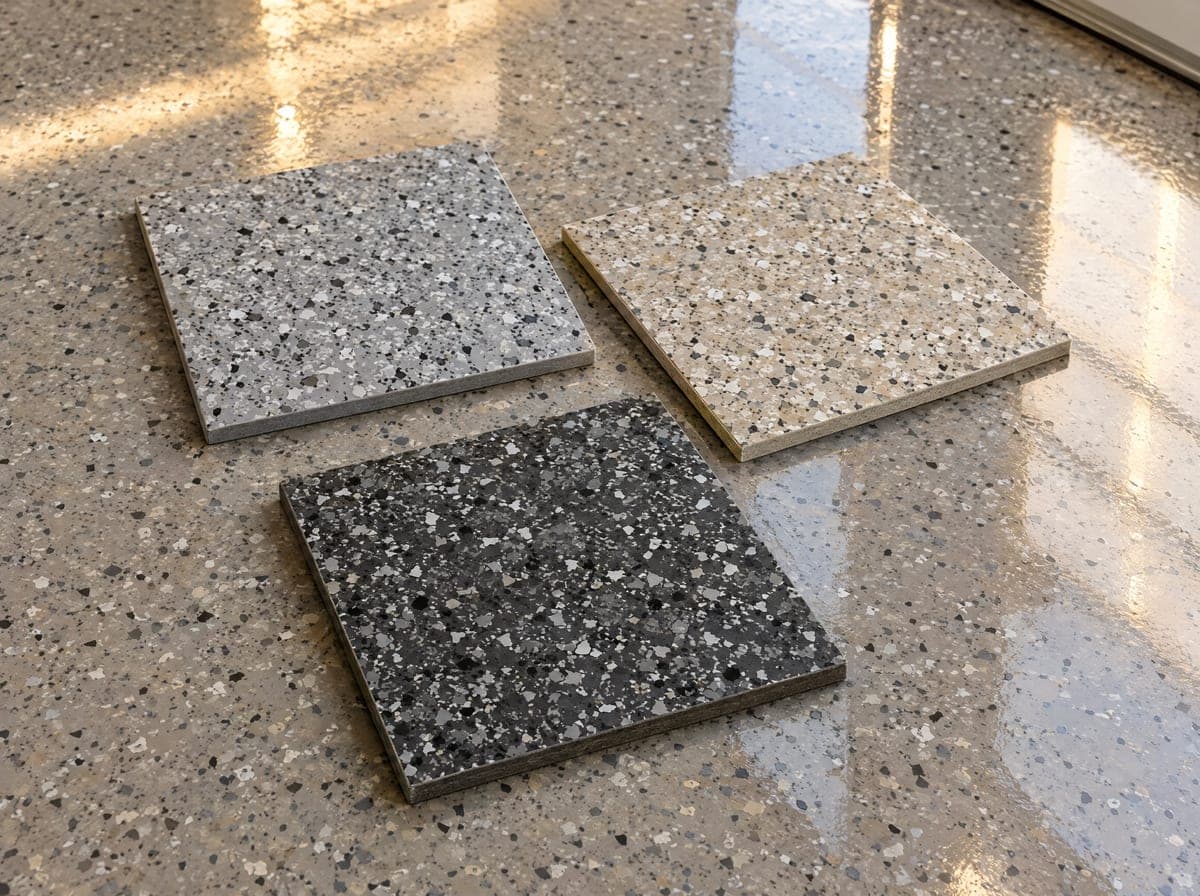
Flake Epoxy Floors
Full-broadcast vinyl flake under a UV-stable clear coat: textured for grip, forgiving of dust and slab flaws, in color blends chosen to suit your home.
Learn moreCost Guide
Typical San Diego prices by system and garage size, and what changes the price.
Learn moreCoastal sun, salt air and damp slabs are hard on floors
A garage floor in Coronado or La Jolla lives a different life than one in a dry inland climate. Strong year-round sun, salt carried on the ocean air and moisture rising through older slabs all shorten the life of a coating that was not specified for them. We plan every floor around four local conditions.
Coastal UV
San Diego gets strong sun all year, and an open garage door lets it fall straight across the floor. Plain epoxy yellows and chalks under UV. We finish garages and outdoor concrete with a UV-stable polyaspartic or polyurea topcoat, which holds its color and gloss far better in direct light.
Salt air
Within a few miles of the ocean, salt settles on every surface and gets tracked in on tires and shoes. Chlorides are hard on bare concrete and can work under weak coatings at the edges. A fully sealed, chemical-resistant system bonded to ground concrete keeps salt on top of the floor, where a damp mop removes it.
Marine-layer moisture
May Gray and June Gloom keep coastal air humid, and many slabs push moisture vapor up from below. That vapor is a leading cause of coatings that bubble and peel. We test for moisture before recommending a system, and we use a moisture-mitigating primer when the readings call for one.
Hot-tire pickup
Tires heated on a summer drive can soften a thin coating and pull it off the floor when the car leaves. It is a classic failure of low-solids, roll-on kits. A diamond-ground profile, a 100% solids or polyurea base and a hard topcoat resist hot-tire pickup in daily-use garages.
Five steps, and most of the work happens before the coating
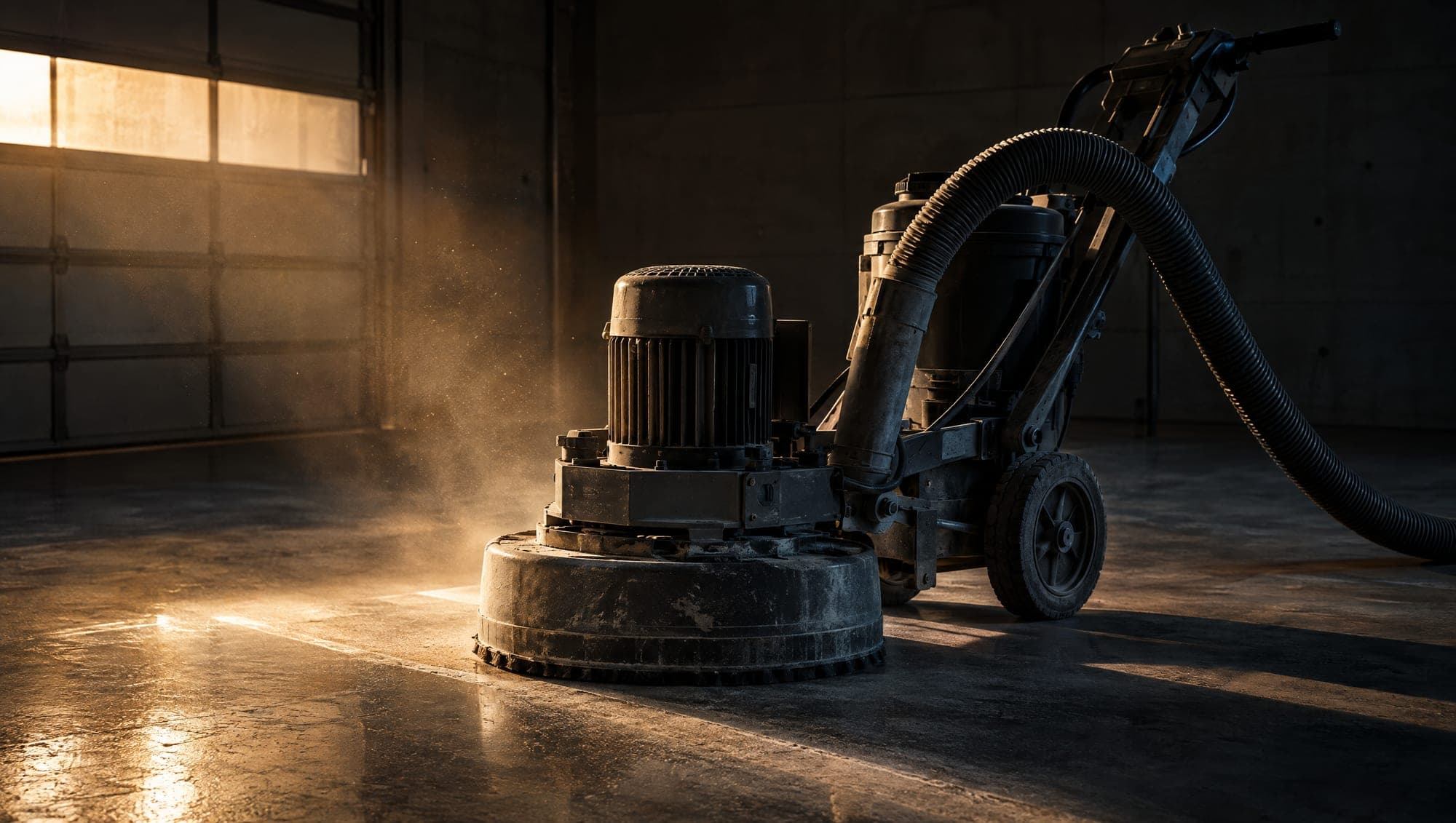
A coating is only as good as its bond to the concrete. Inspection, grinding and repair take up much of the schedule, and they decide whether a floor peels in a year or two or holds up for the long run. Here is what an install typically looks like, from the first visit to the first drive-in.
- 01
Inspection and moisture test
We walk the space, measure it, and look closely at the slab: cracks, spalls, old coatings, oil stains and drainage. Then we test for moisture vapor with a calcium chloride test or a relative humidity probe. The results decide the system, the primer and the prep, and they go into your written estimate.
- 02
Diamond grinding and surface prep
We grind the concrete with diamond tooling and dust collection to a consistent profile, typically CSP 2 to 3, about the feel of medium sandpaper. Grinding removes weak surface paste, old sealers and contamination, so the base coat bonds into the slab instead of sitting on top of it.
- 03
Crack and spall repair
Cracks, chips, spalls and pitting are filled with a polyurea or epoxy repair material and ground flush with the floor. Control joints are cleaned out and either filled or kept open, depending on the system. Repairs stop defects from showing through the finish and remove weak points where a coating could lift.
- 04
Base coat and broadcast
The base coat goes down: 100% solids epoxy, polyurea, or a moisture-mitigating primer where testing called for one. Flake floors get color chips broadcast to full coverage. Metallic floors get pigments worked by hand. Commercial floors may get a quartz broadcast. Loose material is scraped and vacuumed once the base cures.
- 05
UV-stable topcoat, cure and return to service
A clear polyaspartic or polyurea topcoat seals the floor, sets the sheen and resists UV yellowing, with slip-resistant texture available. Foot traffic typically returns within about 24 hours. Vehicles typically wait 24 to 48 hours on polyaspartic systems and 2 to 3 days on epoxy, longer in cool weather.
Epoxy, polyaspartic or polished concrete?
These three cover most floors. Many garage systems combine the first two: an epoxy or polyurea base for build and adhesion, with a polyaspartic topcoat for UV stability. Polished concrete skips the coating and refines the slab itself. Times and costs below are typical and vary by product and slab.
| Epoxy | Polyaspartic | Polished concrete | |
|---|---|---|---|
| UV stability | Yellows in direct sun unless topcoated | UV-stable; holds color and gloss outdoors | No coating to yellow |
| Return to service | Walk on in 10 to 24 hours; vehicles typically after 2 to 3 days | Walk on in roughly 4 to 6 hours; vehicles typically after 24 to 48 hours | Usable once the final pass and guard are done |
| Look | High-build gloss in flake, solid color or metallic | Clear gloss or satin, usually over flake | Matte to high-gloss concrete with natural variation |
| Best for | Interiors, metallic floors and base coats | Garages, patios and sunny, open spaces | Living spaces, showrooms and sound slabs |
| Watch for | Needs a UV-stable topcoat in open garages | Short working time; needs an experienced installer | Shows existing cracks and stains |
| Typical cost | Usually the lowest of the coatings | Usually more than epoxy alone | Wide range, set by gloss and aggregate exposure |
What does an epoxy garage floor cost in San Diego?
Typical San Diego garage systems: $5 to $8 per sq ft. Typical San Diego garage systems run about $5 to $8 per square foot installed, which puts most two-car garages (400 to 500 square feet) around $2,000 to $4,000. Polyaspartic and metallic systems cost more, as do slabs that need moisture mitigation or heavy repair. Our cost guide breaks down every system and garage size.
Central and coastal San Diego
We work across the City of San Diego and the coast. Each of these communities has its own page on local homes and conditions: La Jolla, Carmel Valley, Del Mar and Solana Beach, Rancho Santa Fe, Encinitas, Carlsbad, Coronado and Point Loma, plus Downtown, Bankers Hill, Hillcrest, North Park and Golden Hill in the city's center. If your neighborhood is not listed, get in touch and we will confirm.
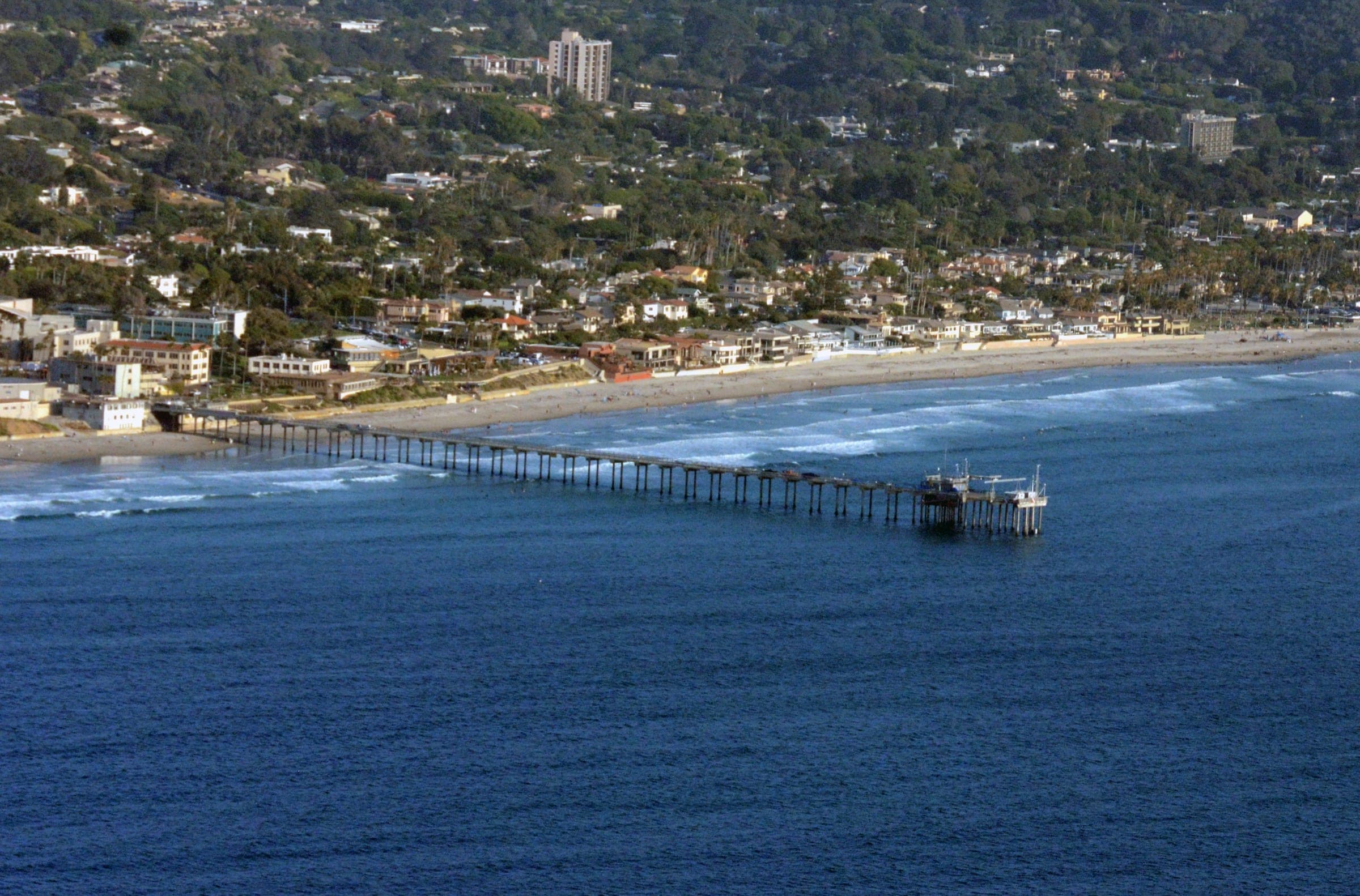
La Jolla
Garage floor epoxy and polyaspartic coatings for La Jolla homes, built for salt air, marine-layer mornings and strong coastal sun, from Bird Rock to La Jolla Farms.
Epoxy floors in La Jolla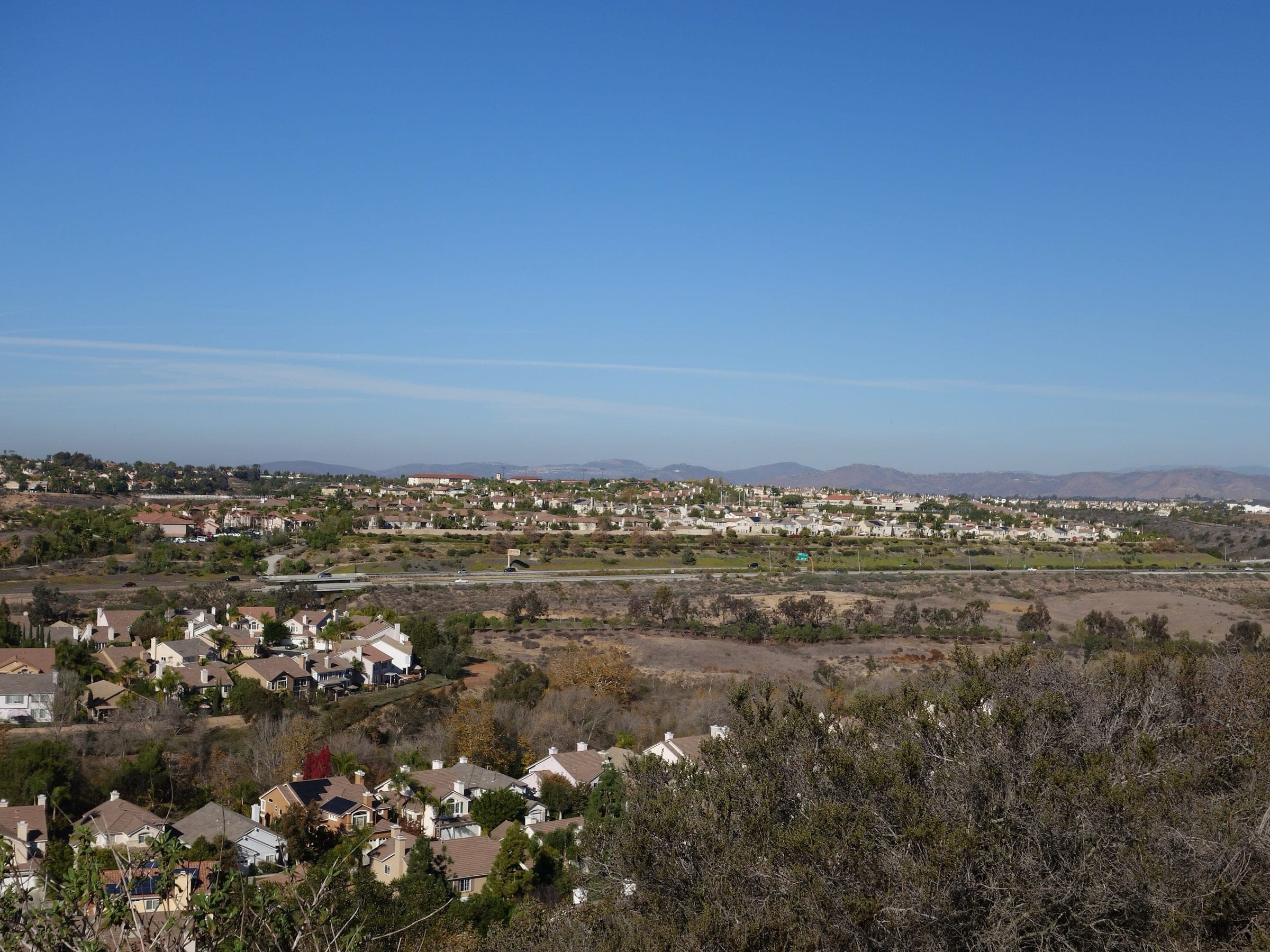
Carmel Valley
Flake and polyaspartic garage coatings for Carmel Valley, Pacific Highlands Ranch and Torrey Hills homes, with full removal of old coatings and HOA submittal support.
Epoxy floors in Carmel Valley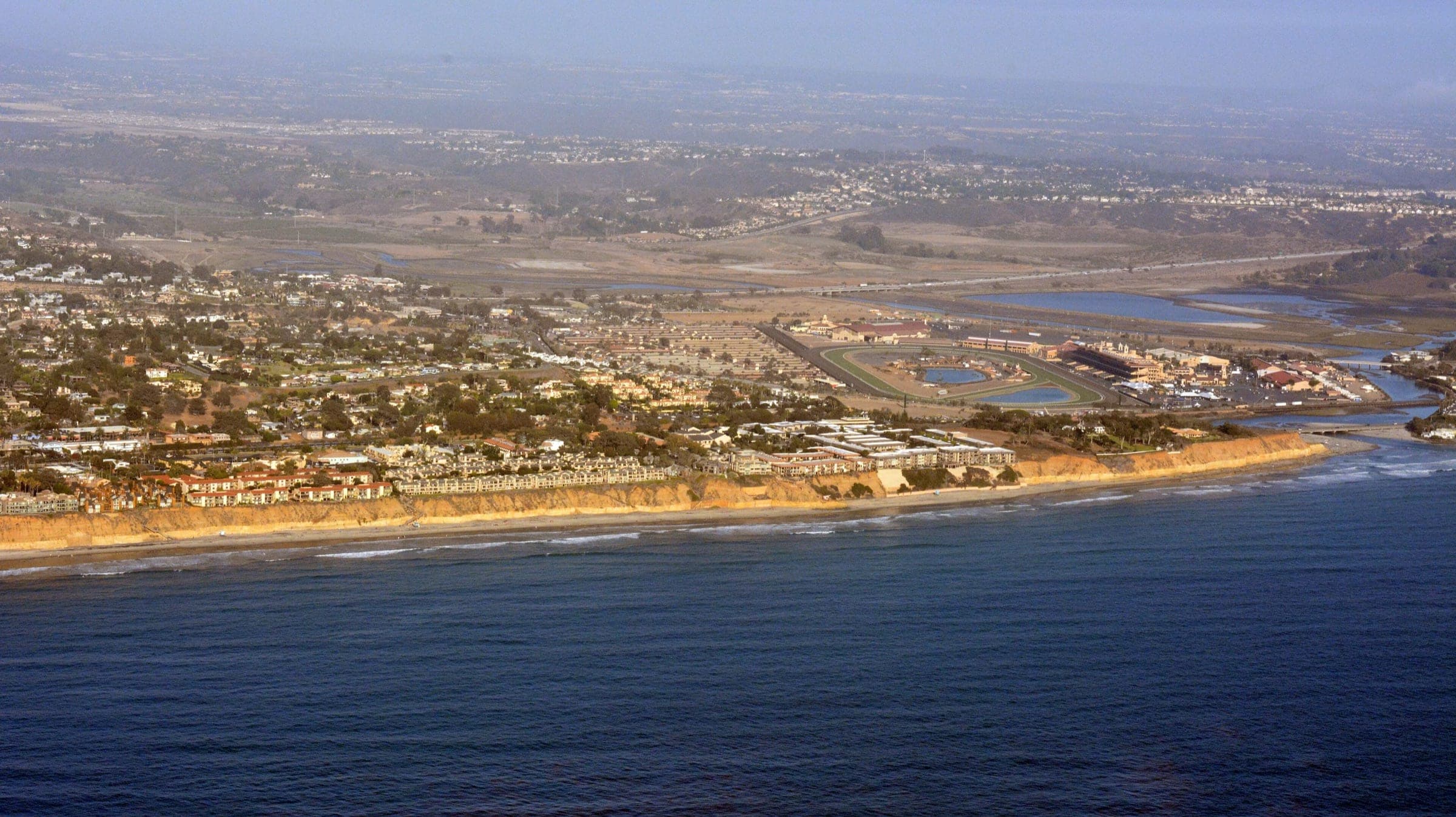
Del Mar
Garage coatings and concrete resurfacing for Del Mar and Solana Beach, with moisture testing for low-lying slabs and UV-stable topcoats for salt air.
Epoxy floors in Del Mar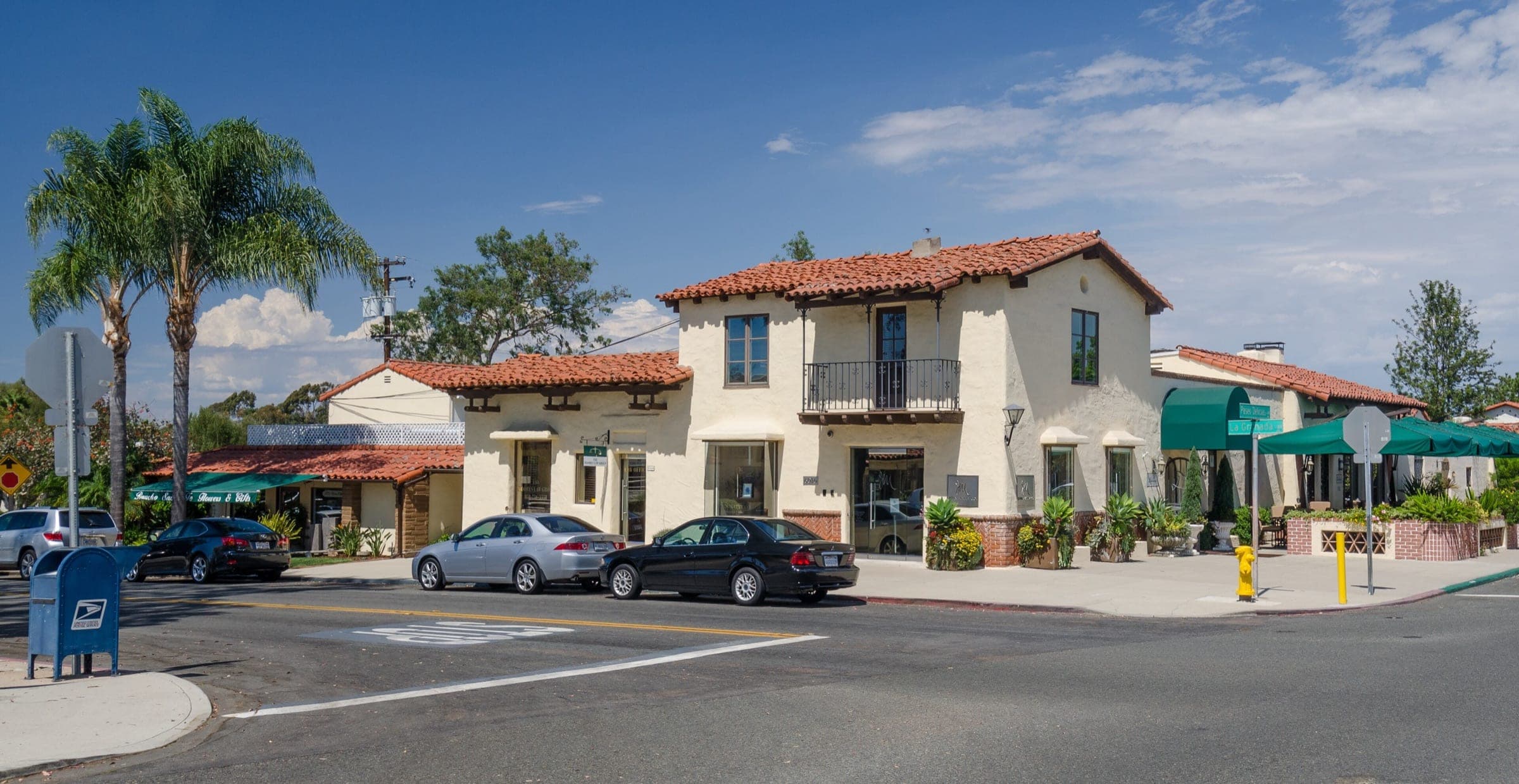
Rancho Santa Fe
Garage floor epoxy, metallic finishes and pool deck resurfacing for Rancho Santa Fe estates, with prep for inland heat and product details for Art Jury review.
Epoxy floors in Rancho Santa Fe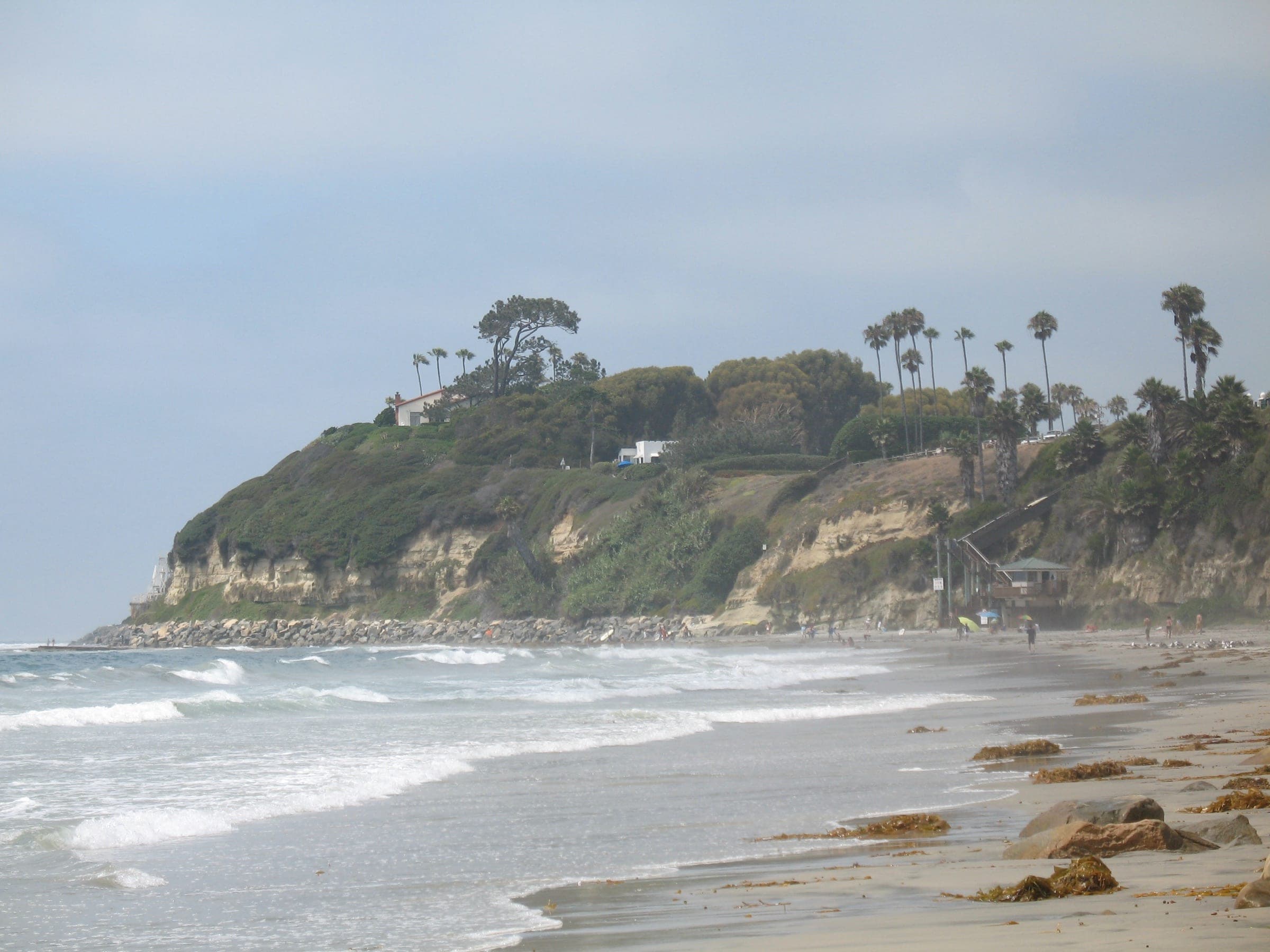
Encinitas
Encinitas garage, patio, and pool deck coatings matched to each community: salty bluff-top air in Leucadia and Cardiff, stronger sun in Olivenhain.
Epoxy floors in Encinitas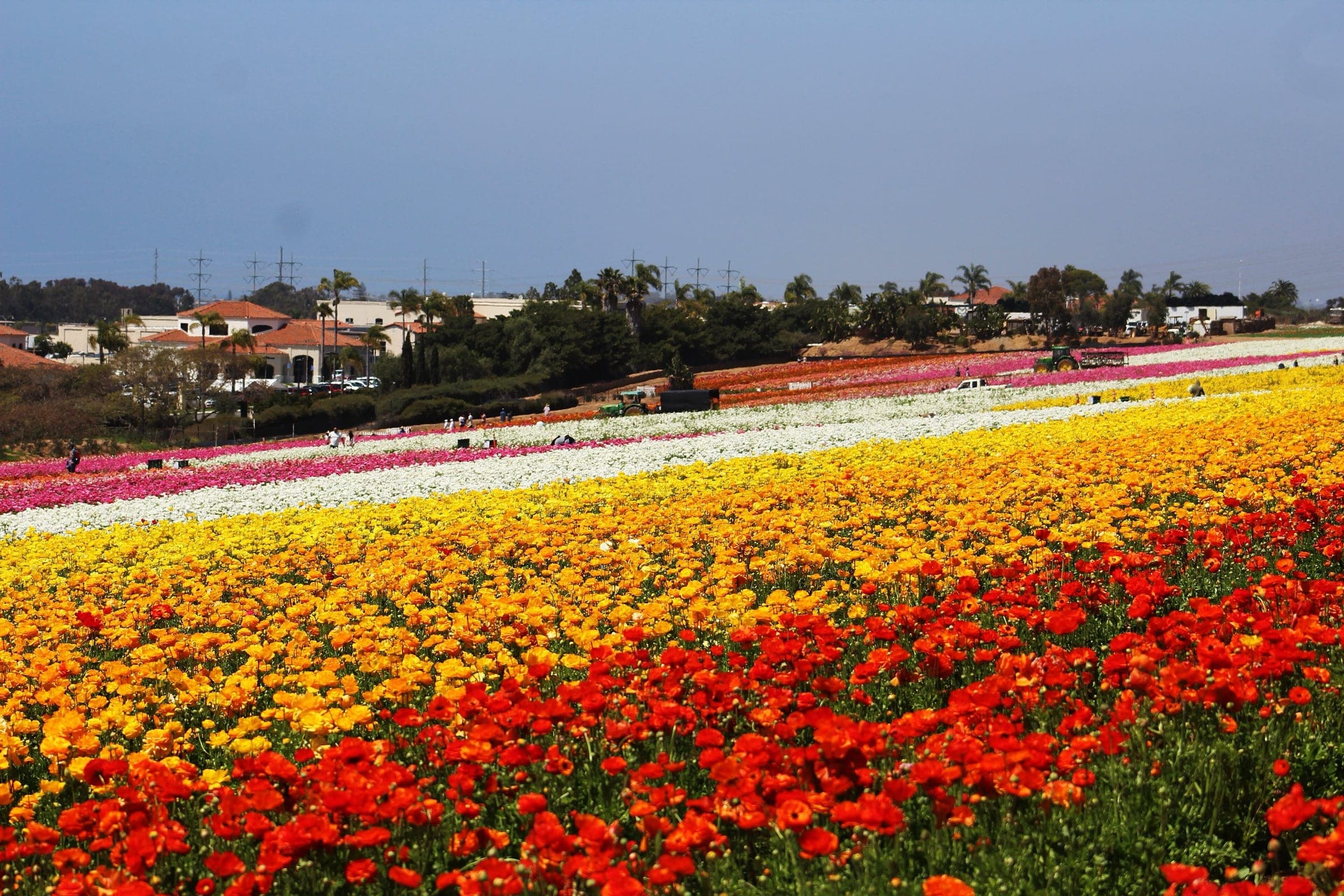
Carlsbad
Garage floor systems for La Costa, Aviara, Bressi Ranch, and the Village, plus commercial epoxy and polished concrete for Carlsbad's business parks.
Epoxy floors in Carlsbad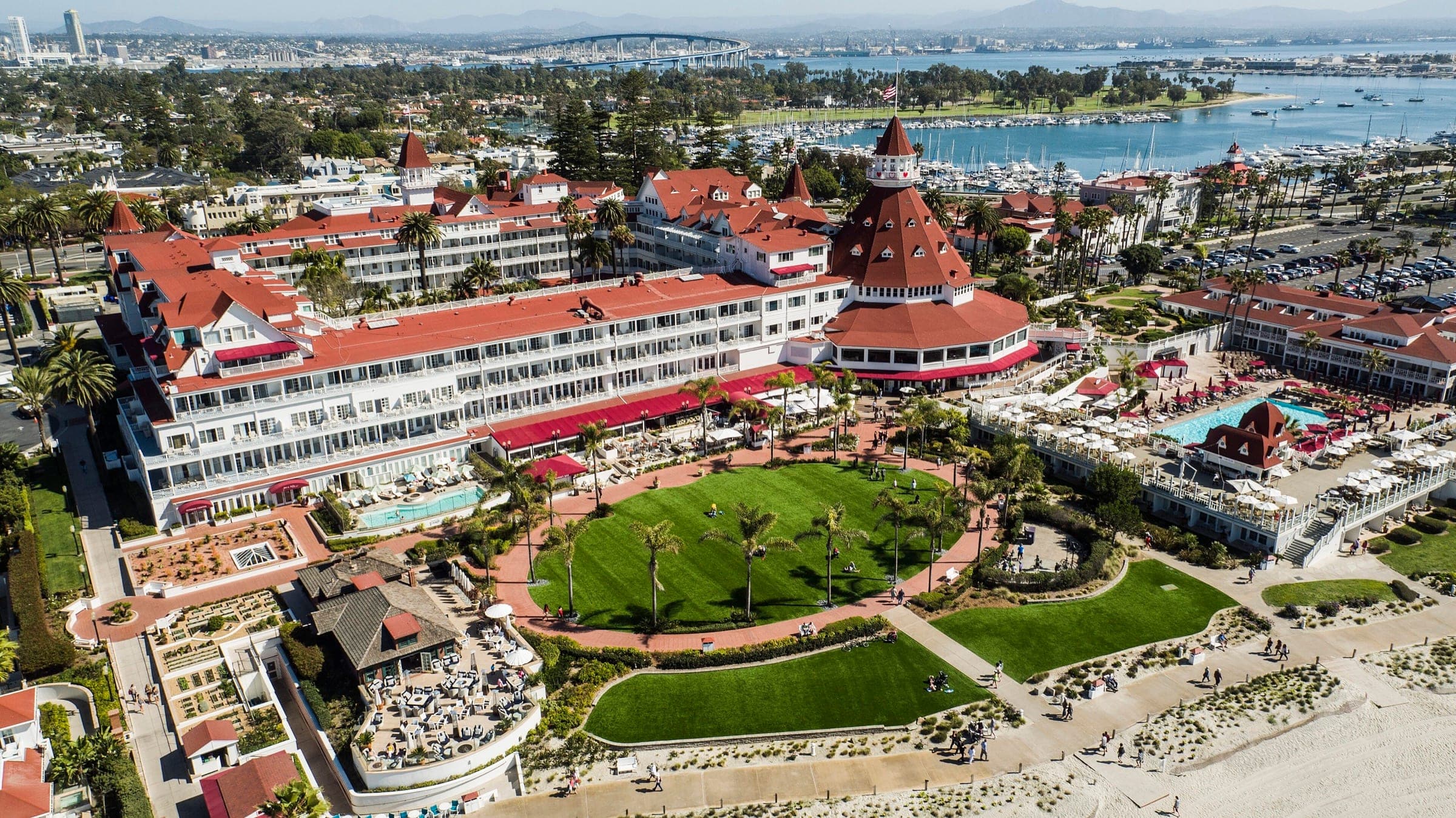
Coronado
UV-stable, moisture-tested floor systems for Coronado's alley garages, bayfront Cays homes, and salt-weathered patios and courtyards.
Epoxy floors in Coronado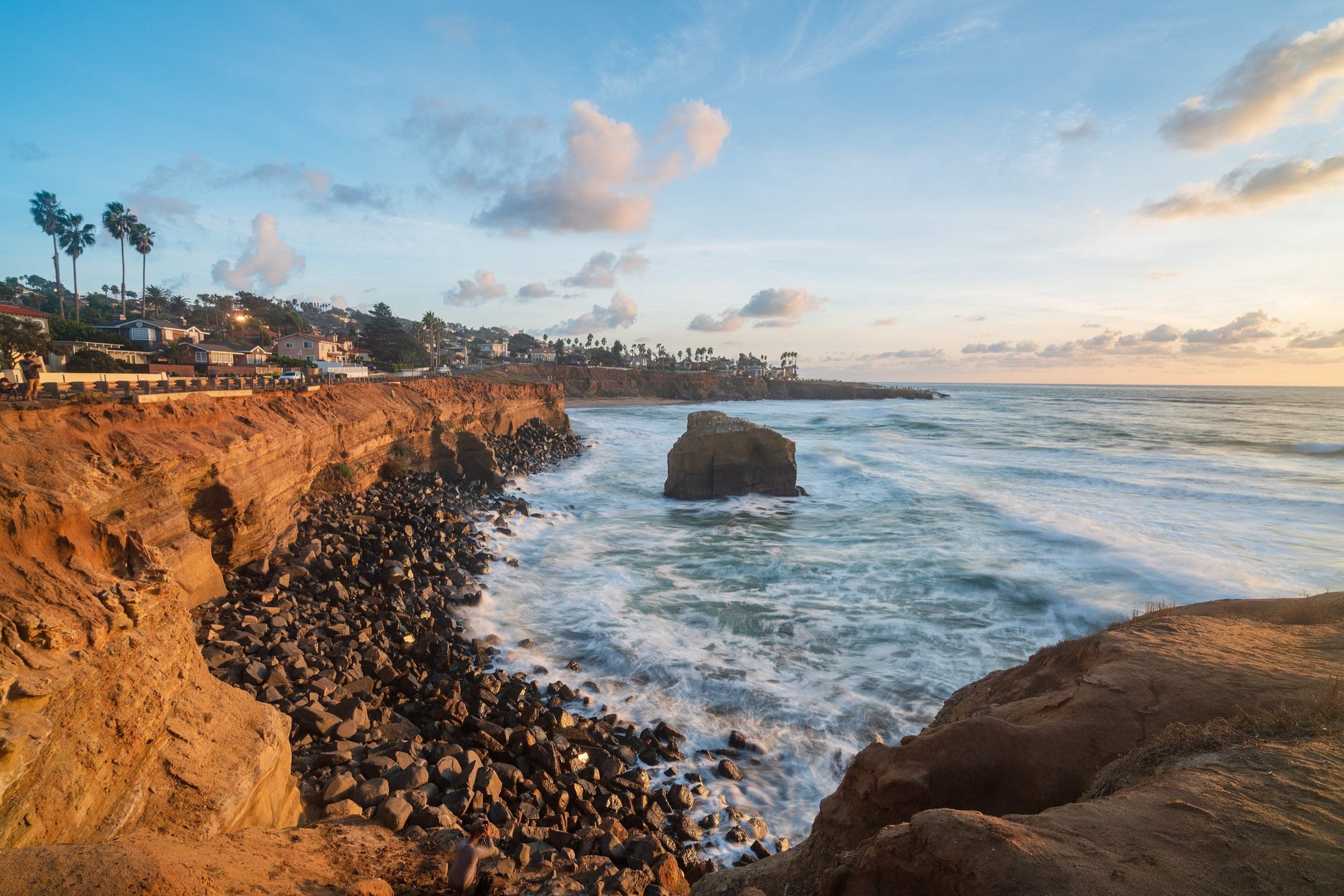
Point Loma
Coatings for Point Loma garages, driveways, and patios, from Sunset Cliffs and the Wooded Area to La Playa and Fleetridge, built for salt air and slopes.
Epoxy floors in Point Loma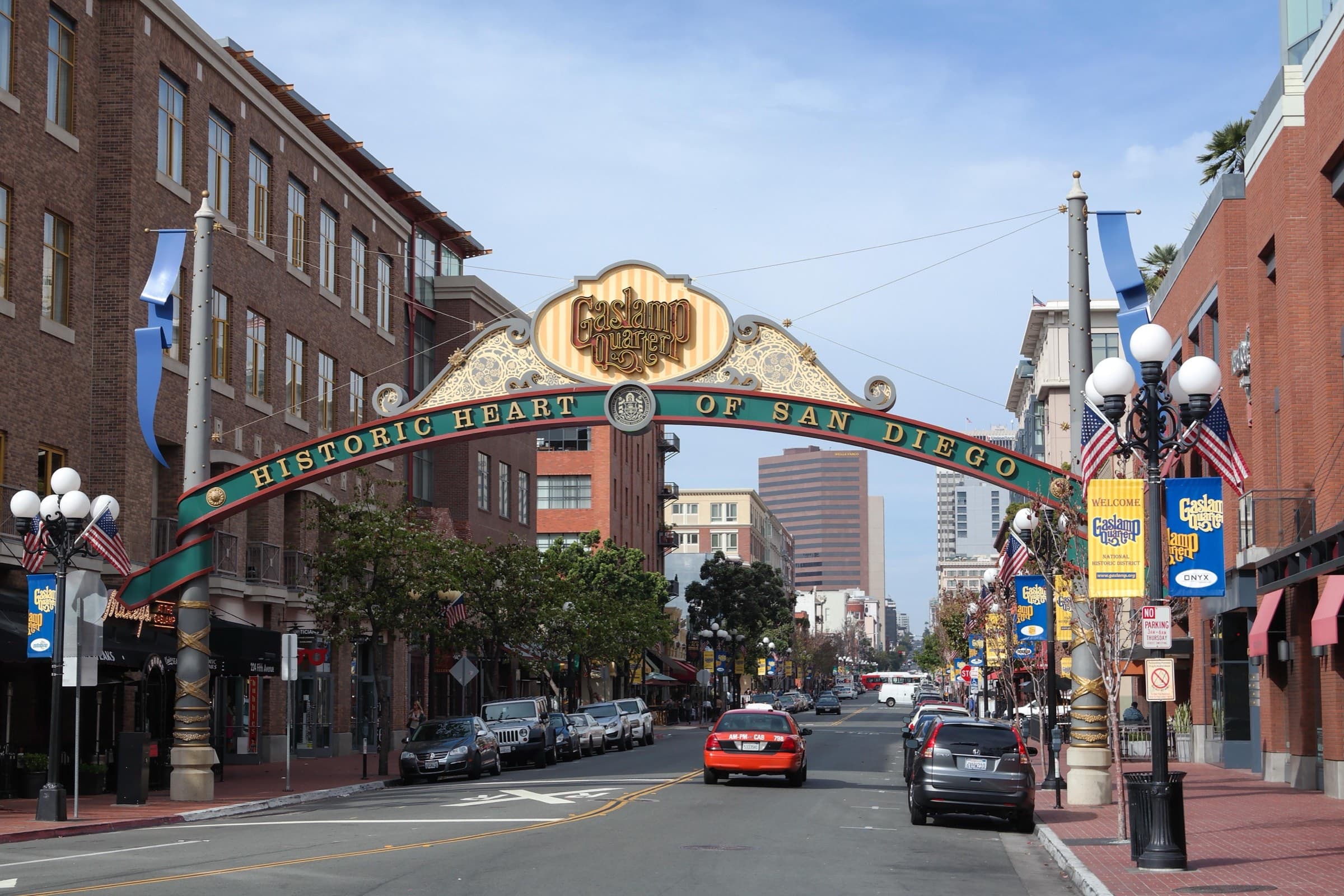
Downtown San Diego
Commercial epoxy, urethane cement and polished concrete for downtown restaurants, storefronts, offices, lofts and condo storage, from the Gaslamp Quarter to Little Italy.
Epoxy floors in Downtown San Diego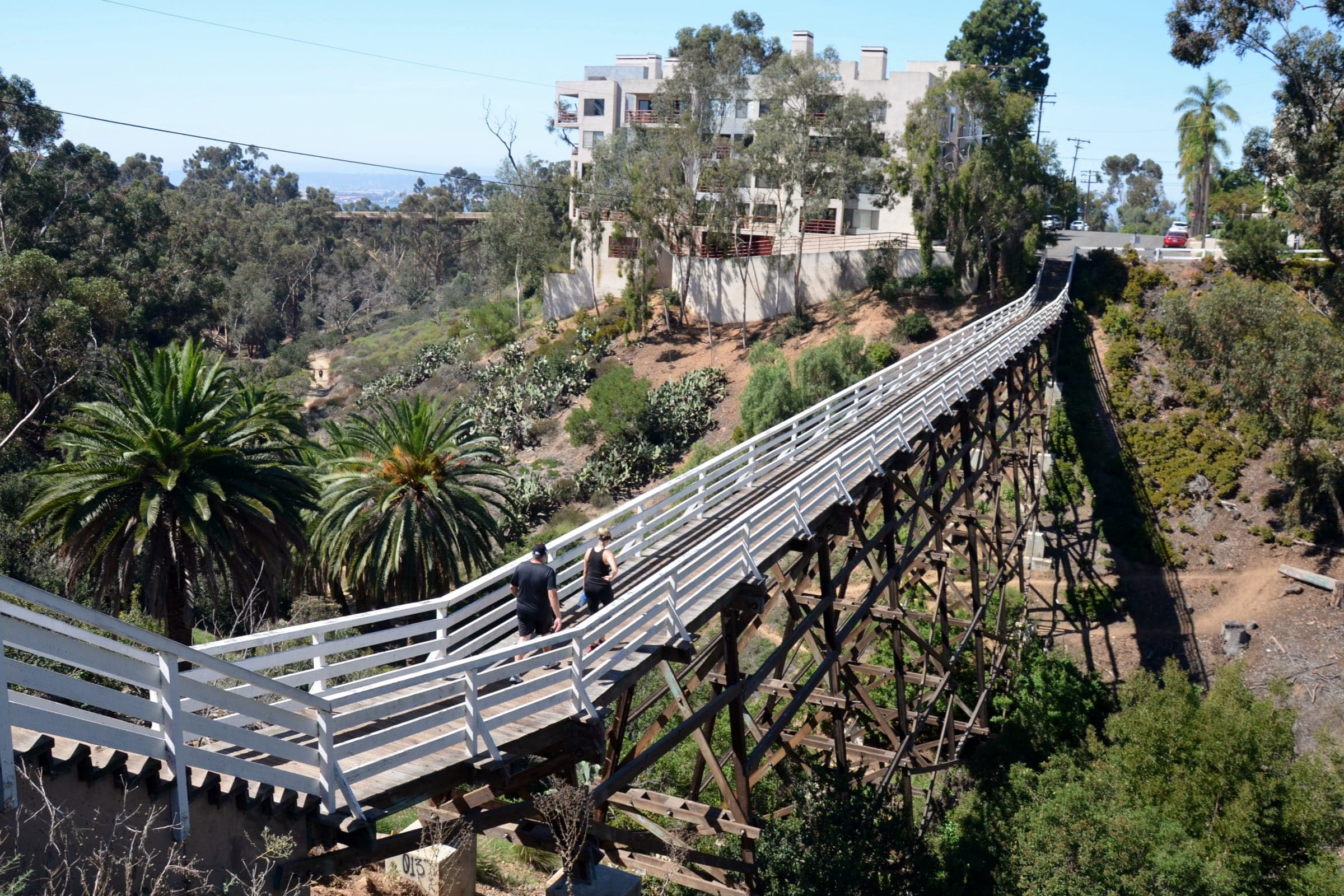
Bankers Hill
Garage, step and office floors for Bankers Hill and Park West, from historic homes along Maple Canyon to the towers and offices on Fifth Avenue.
Epoxy floors in Bankers Hill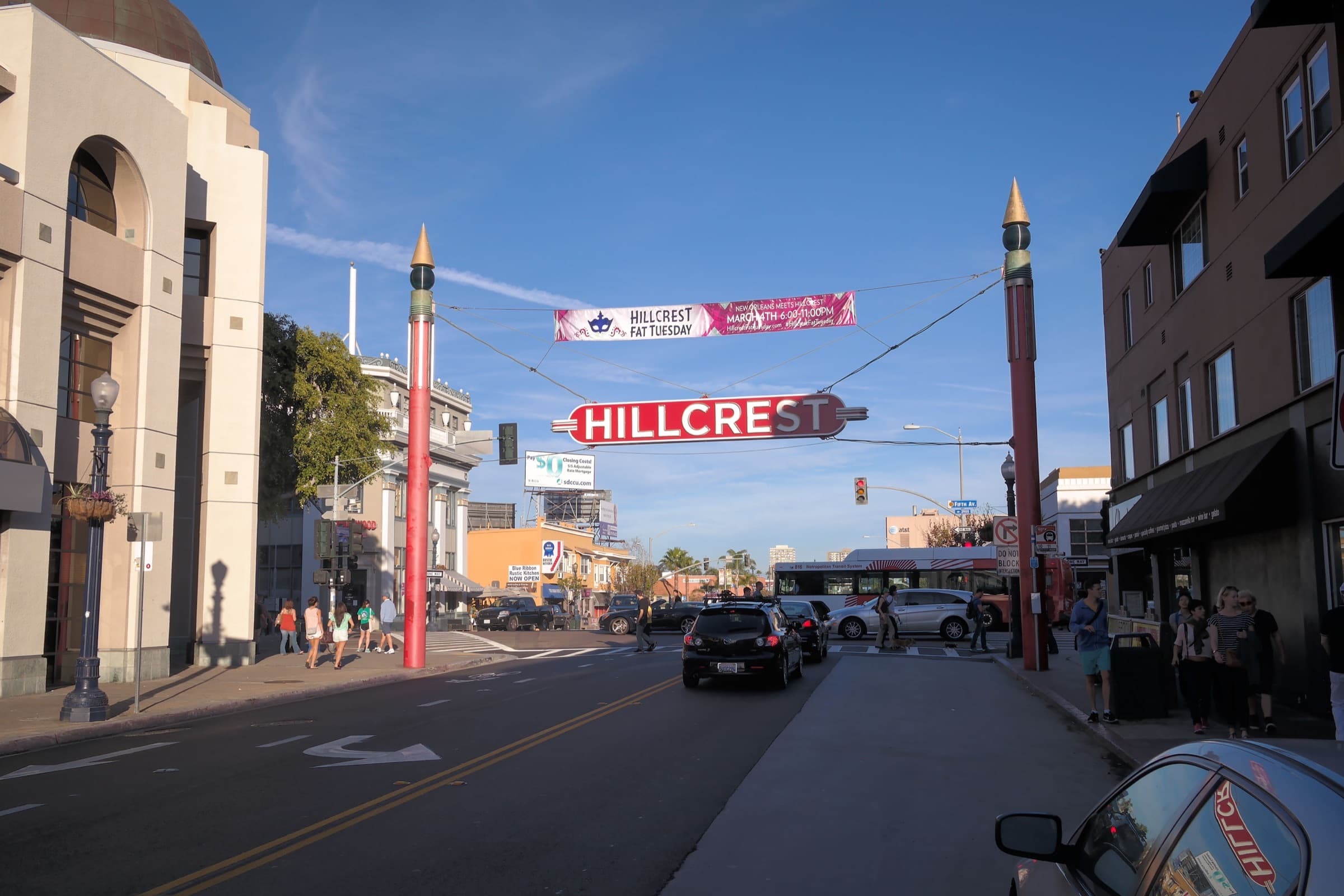
Hillcrest
Garage, condo parking and storage floors in Hillcrest, plus restaurant, salon, retail and medical office floors along University Avenue, Fifth Avenue and Washington Street.
Epoxy floors in Hillcrest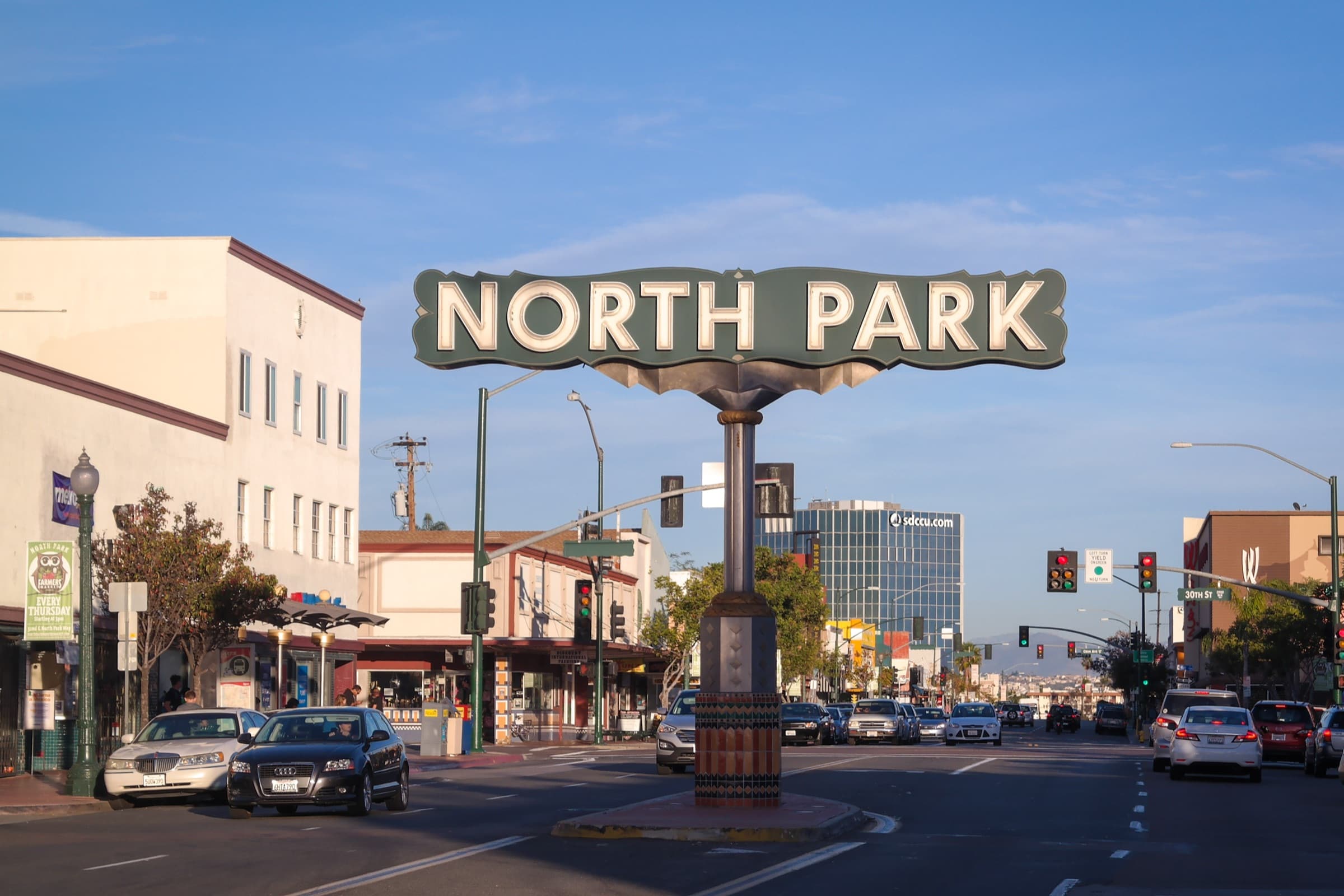
North Park
Floors for North Park bungalow garages, alley workshops and ADUs, plus brewery, kitchen and retail floors along 30th Street and University Avenue.
Epoxy floors in North Park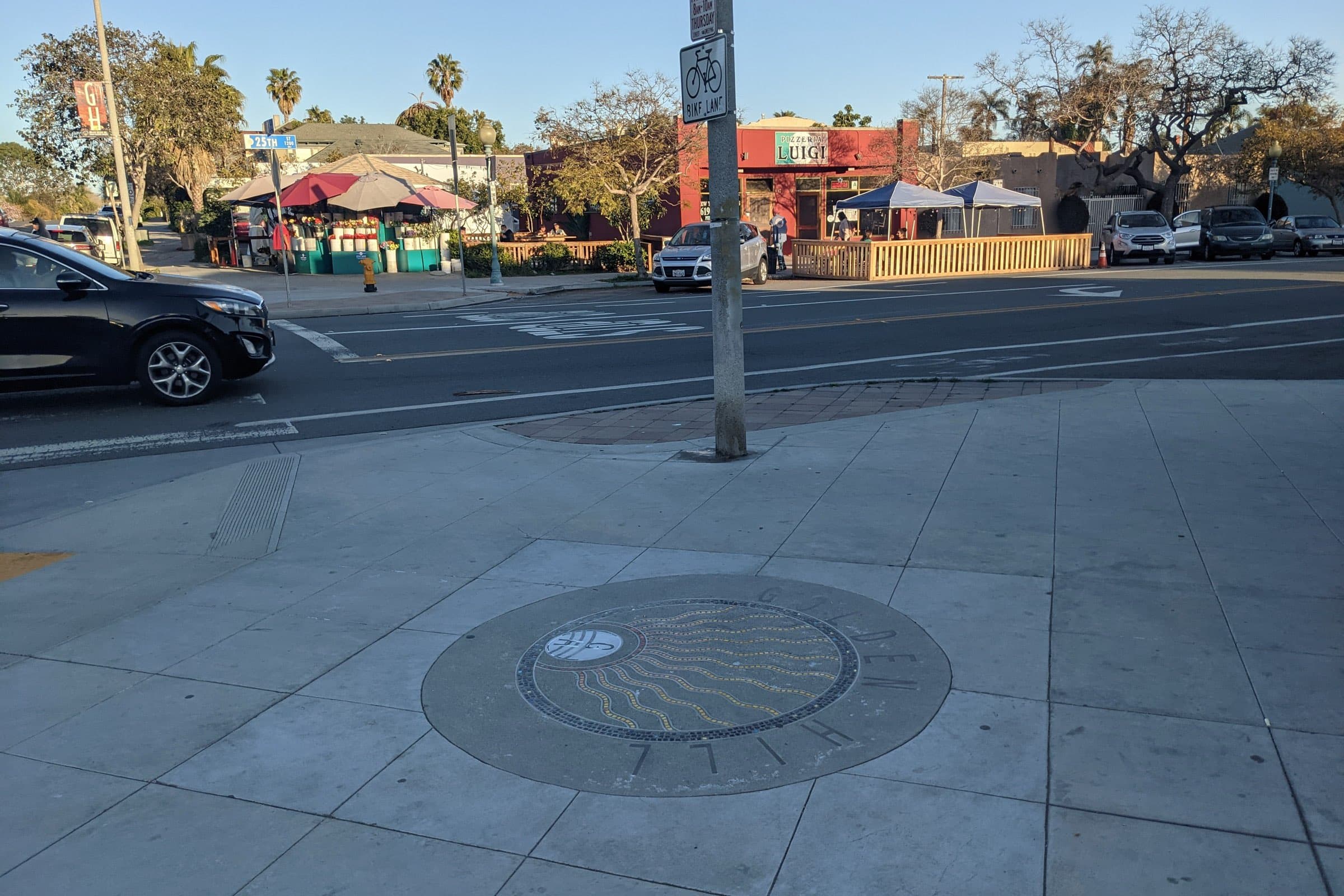
Golden Hill
Garage, porch and walkway coatings for Golden Hill and South Park, from Victorian homes near Golden Hill Park to alley garages and canyon-edge lots.
Epoxy floors in Golden Hill
Epoxy flooring questions
Get a free estimate
Tell us about the floor: the space, its size and how you use it. We will inspect the slab, test it for moisture and give you a written estimate with system options, each explained in plain terms.